Other Planetary Bodies: Physical Geography (UPSC)
Planetary Bodies Moon The Moon is the only natural satellite of Earth and the fifth-largest moon in the solar system. […]

Planetary Bodies Moon The Moon is the only natural satellite of Earth and the fifth-largest moon in the solar system. […]
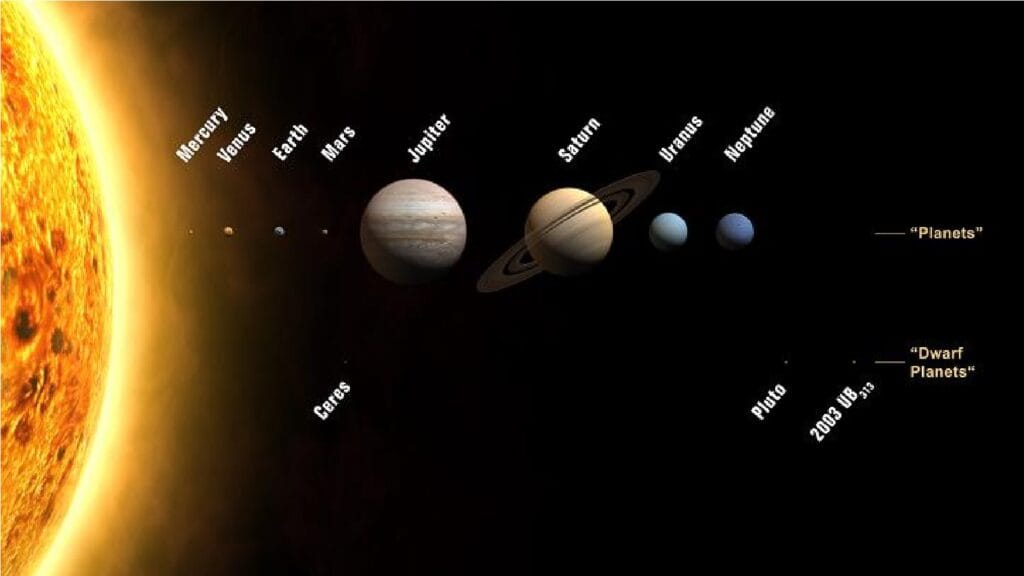
Planet Distance from Sun (Million of km) Orbital Velocity (km per second) Period of Revolution Mercury 58 48 88 days
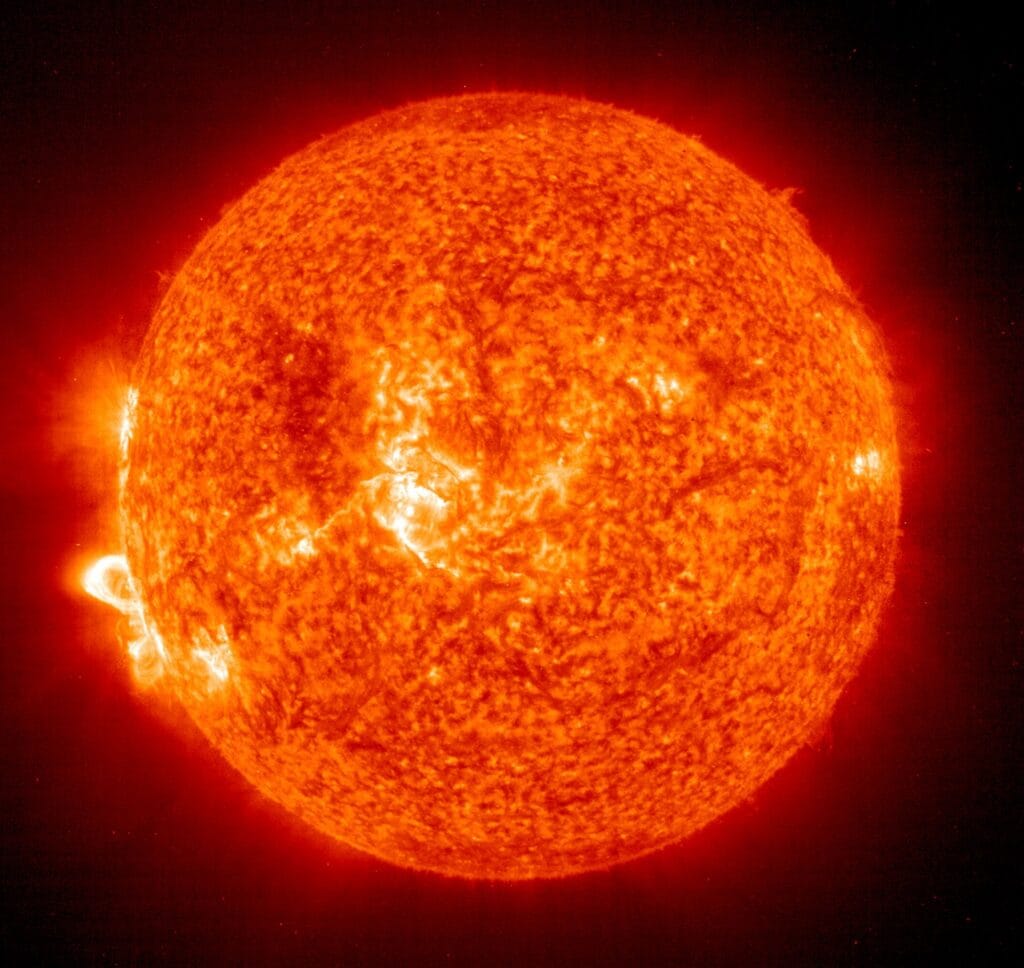
• The Sun can be considered the heart of our solar system. It is the largest object in the solar
In our solar system, Earth is the third planet from the Sun and the only one known to harbor life.
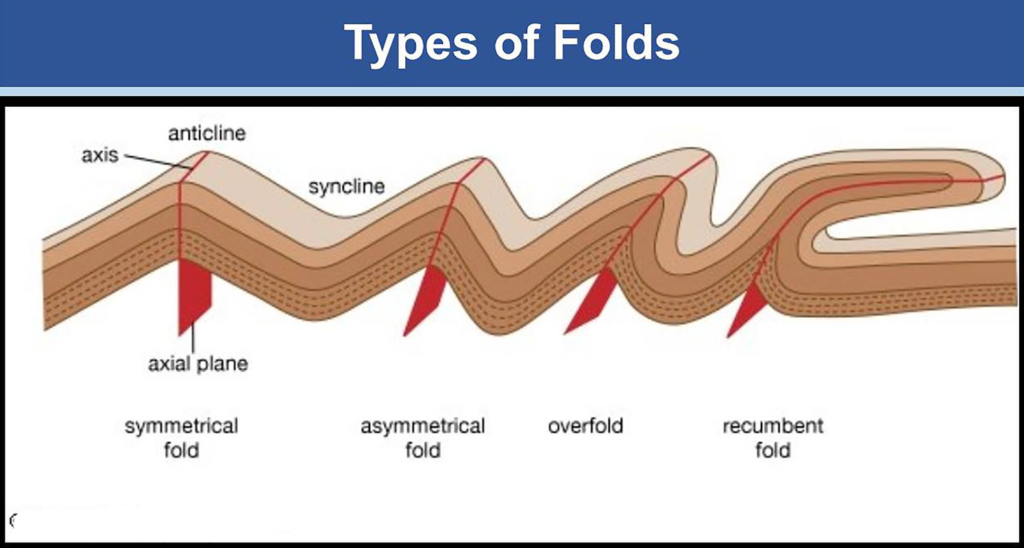
Endogenetic Force Endogenetic Force refers to the force generated from the Earth’s interior. It is responsible for the formation of
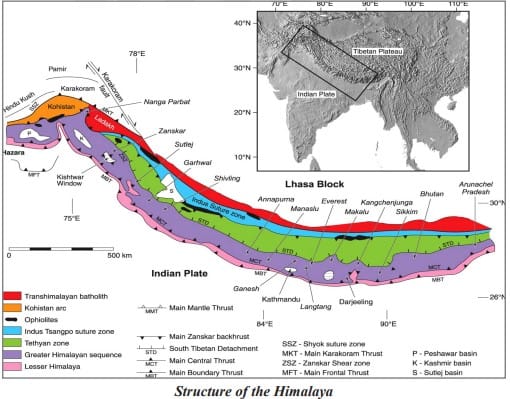
The Himalayas represent one of Earth’s most complex mountain systems, formed through tectonic collision between Indian and Eurasian plates. This massive folded mountain chain spans 2,500 km and consists of three main divisions: Greater Himalayas (highest peaks), Lesser Himalayas (medium height ranges), and Outer Himalayas (Shivalik foothills). The structure includes five major tectonic zones from the Indus-Tsangpo Suture Zone in the north to the Sub-Himalayas in the south, each characterized by distinct geological formations and thrust systems.
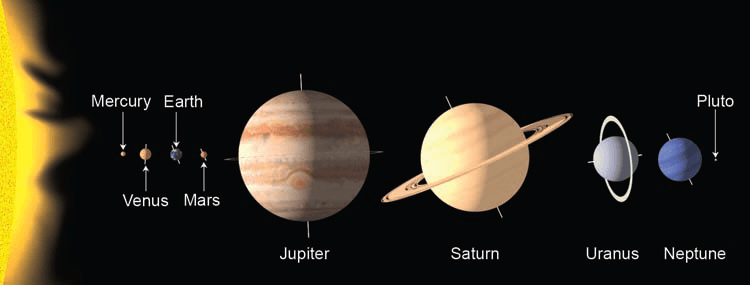
Planets are solid celestial bodies orbiting the Sun in elliptical orbits. They reflect sunlight but do not emit their own light. Our Solar System includes eight major planets classified as terrestrial (rocky) and Jovian (gaseous) planets, each with unique features and characteristics.