In a major victory for student activism, the Delhi High Court has delivered a powerful verdict against a university’s decision to expel a student for protesting. This landmark ruling sends a clear message across the nation: peaceful dissent on campus is a fundamental right, not a disciplinary offense.
- Expulsion for peaceful protest is legally indefensible and unconstitutional.
- Universities are spaces for critical thinking and cannot suppress differing views.
- The right to peaceful assembly and free speech is a protected democratic freedom.
The Case That Sparked a National Debate
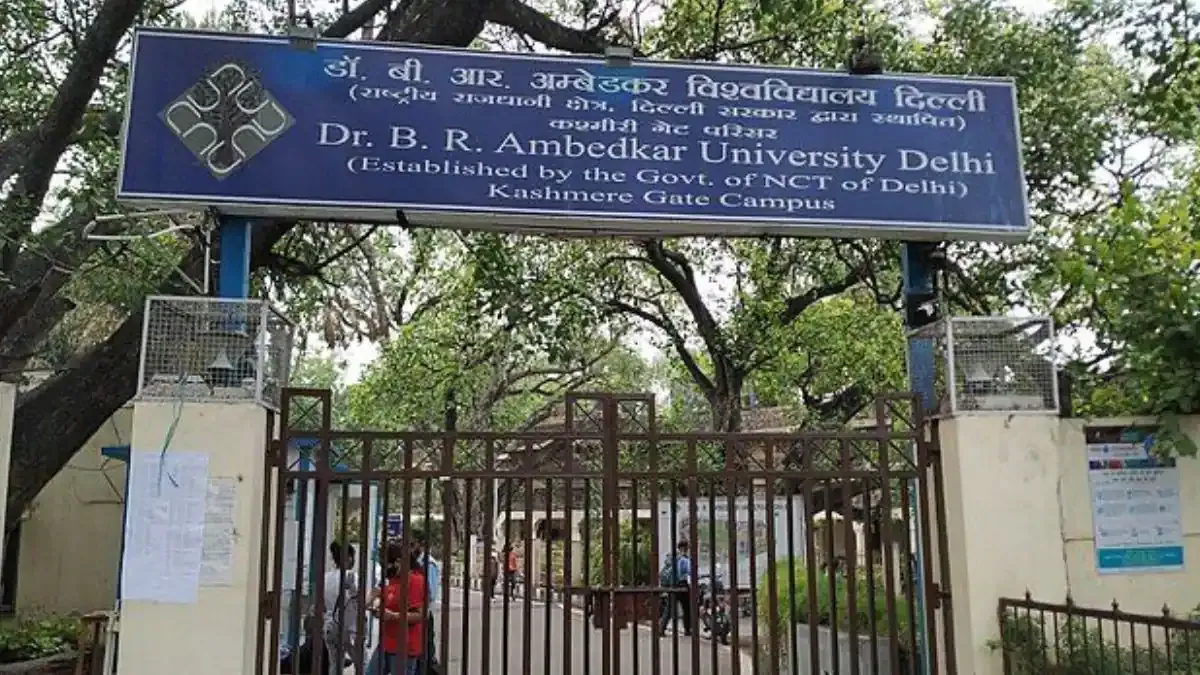
The controversy originated at Dr BR Ambedkar University Delhi after a student was expelled following her involvement in campus protests. The student had previously raised serious allegations of ragging, bullying, and gender-insensitive behavior, which had significantly impacted her mental well-being and became a focal point of campus activism. The university administration took disciplinary action, culminating in her expulsion. Their justification was that she had allegedly violated a prior court directive to refrain from protesting while an internal inquiry was ongoing. The student firmly maintained her innocence, stating she was only present near the protest site to meet a friend, but the institution proceeded with the severe punishment.
High Court’s Powerful Defense of Dissent
In a decisive judgment, the Delhi High Court declared the university’s action “wholly untenable in law,” stating that it strikes at the very heart of democratic freedoms. Justice Jasmeet Singh emphasized that universities must function as environments that encourage independent thought, critical questioning, and robust debate. The court observed that suppressing peaceful expression simply because it doesn’t align with the management’s ideology is unacceptable. It was further noted that the expulsion was a “highly disproportionate” punishment, especially since there was no evidence that the protest had disrupted academic activities or the functioning of the university. The role of an educational institution, the court asserted, is to engage with dissent, not to silence it.
What This Ruling Means for You
The court firmly reiterated that the right to protest is a fundamental constitutional right, citing previous Supreme Court rulings. It also clarified a crucial point: any punishment for violating a court order can only be decided by the court itself, not by a university administration. As a result of this landmark verdict reported by StudyHub, the expulsion orders were immediately overturned. The student has been permitted to rejoin her program and resume her studies from the upcoming semester. While she has unfortunately lost an academic year, this ruling sets a vital precedent, strengthening protections for student voices and upholding the principles of campus democracy across India.