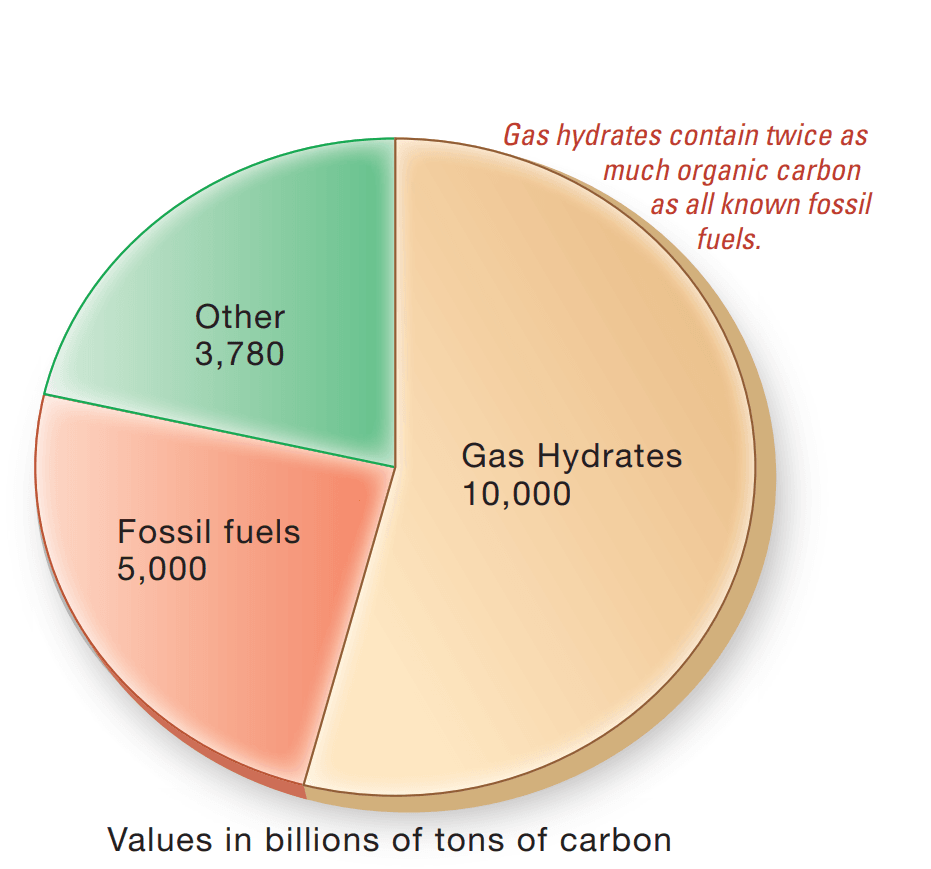
What resources are derived from marine sediments?
What Resources Do Marine Sediments Provide? The ocean floor harbors a wealth of potential mineral and organic assets. However, a […]

What Resources Do Marine Sediments Provide? The ocean floor harbors a wealth of potential mineral and organic assets. However, a […]
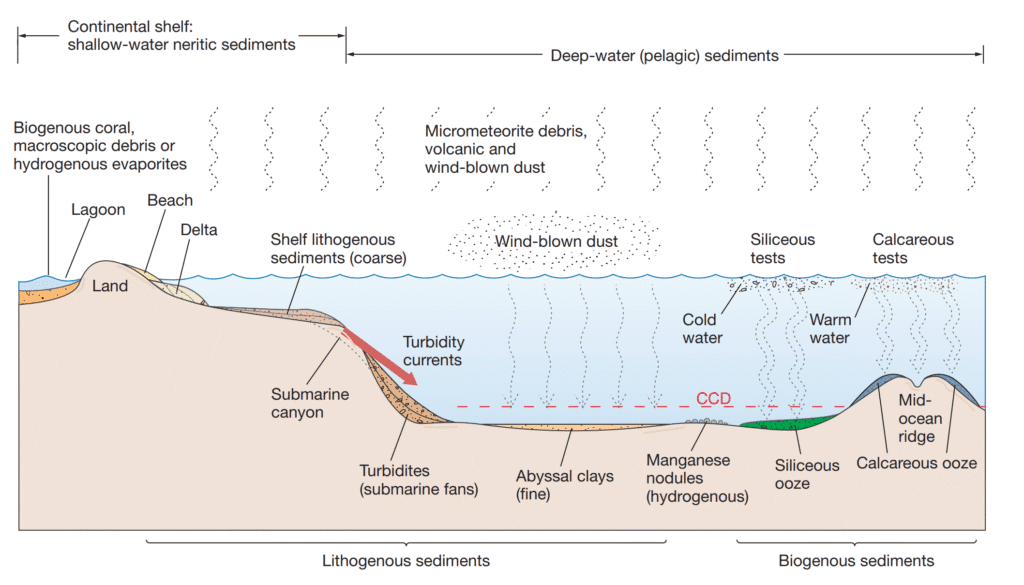
How are Pelagic and Neritic Deposits Distributed in the Ocean? Pelagic and neritic deposits are distributed based on water depth

Mountains are elevated landforms created through various geological processes over millions of years. There are four primary types of mountains based on their formation: fold mountains (formed by tectonic plate collision), block mountains (created by faulting), volcanic mountains (built from accumulated volcanic material), and residual mountains (formed through erosion). The most recent mountain-building episode, the Alpine orogeny, began 30 million years ago and created today’s highest peaks including the Himalayas, Alps, Andes, and Rockies.
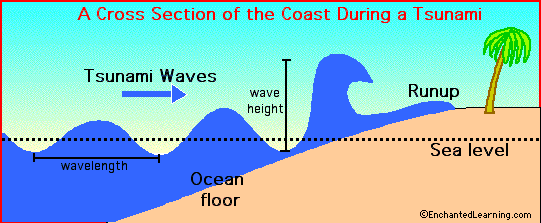
Tsunami Tsunamis are primarily caused by underwater earthquakes that displace large volumes of seawater. Other causes include submarine landslides, volcanic
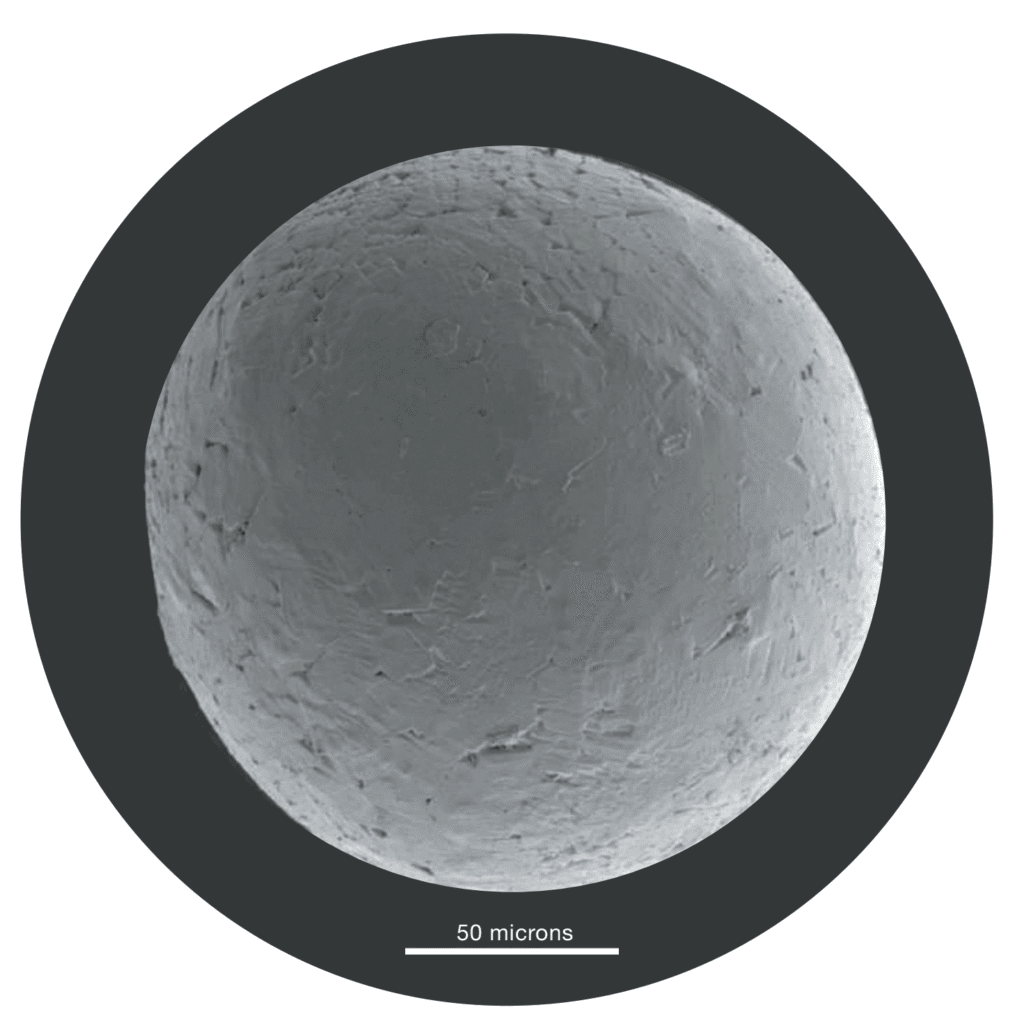
Cosmogenous sediment (cosmos = universe, generare = to produce) originates from extraterrestrial sources. Origin, Composition, and Distribution of Cosmogenous Sediment
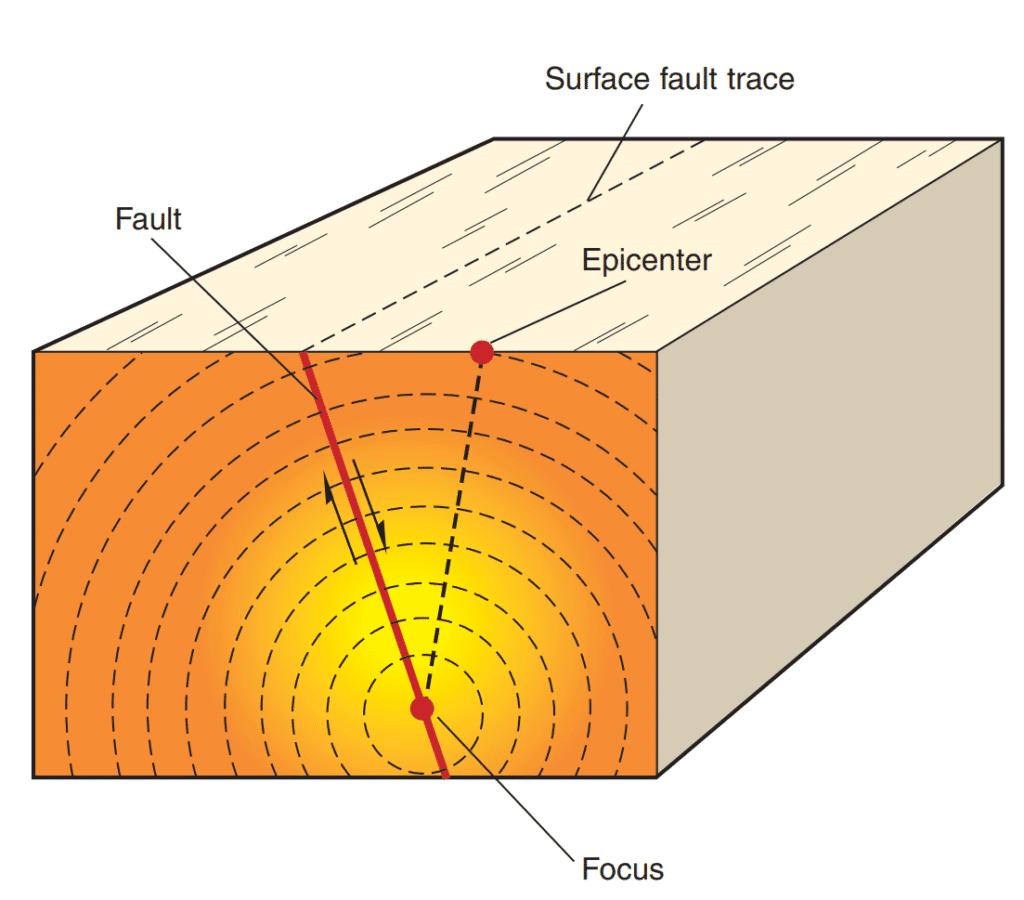
Earthquakes are sudden releases of energy from Earth’s crust that create seismic waves, typically occurring along fault lines. These geological events are classified into five main types: tectonic, volcanic, collapse, explosion, and reservoir-induced earthquakes. Understanding earthquake mechanics, measurement scales (Richter and Mercalli), and global distribution patterns is essential for comprehending their impact on human society and infrastructure. This comprehensive guide explores earthquake science, from crustal dynamics to safety preparedness.
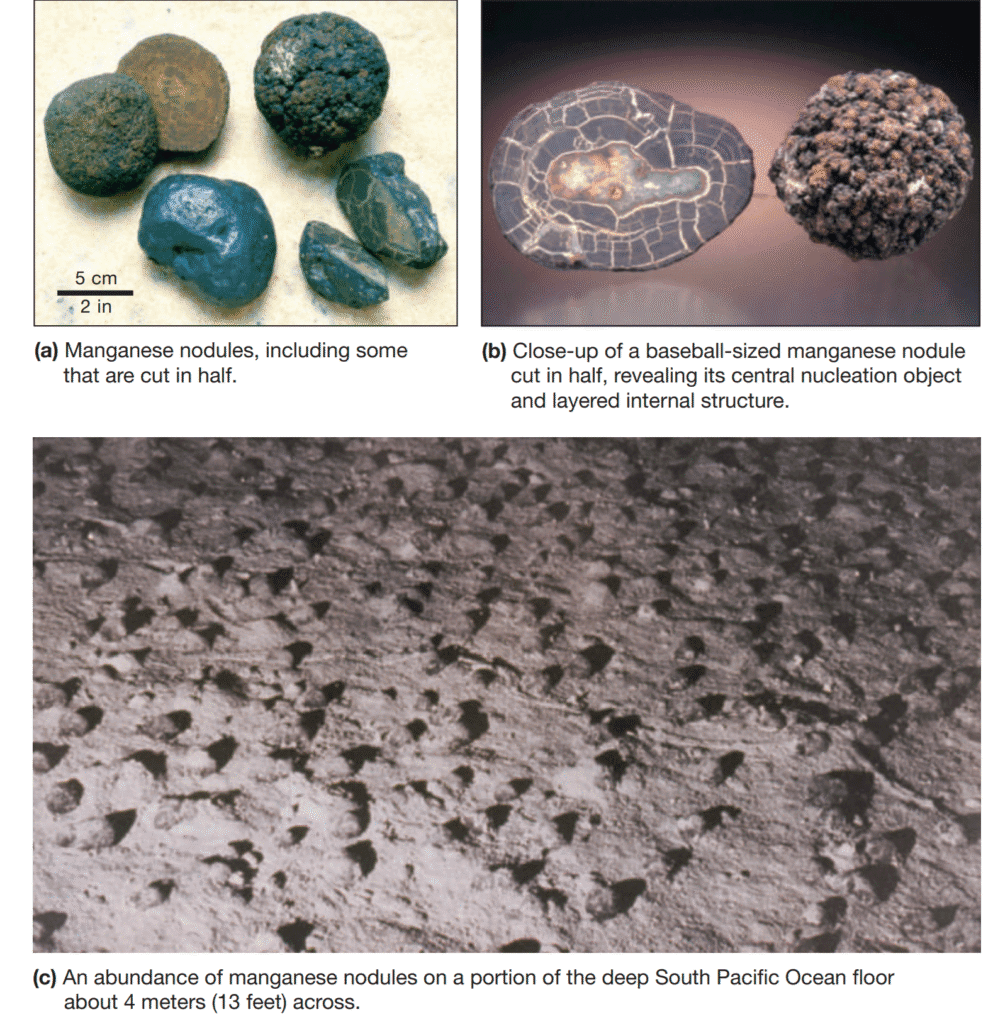
Hydrogenous sediment (from hydro, meaning water, and generare, meaning to produce) originates from substances that have been dissolved within aquatic
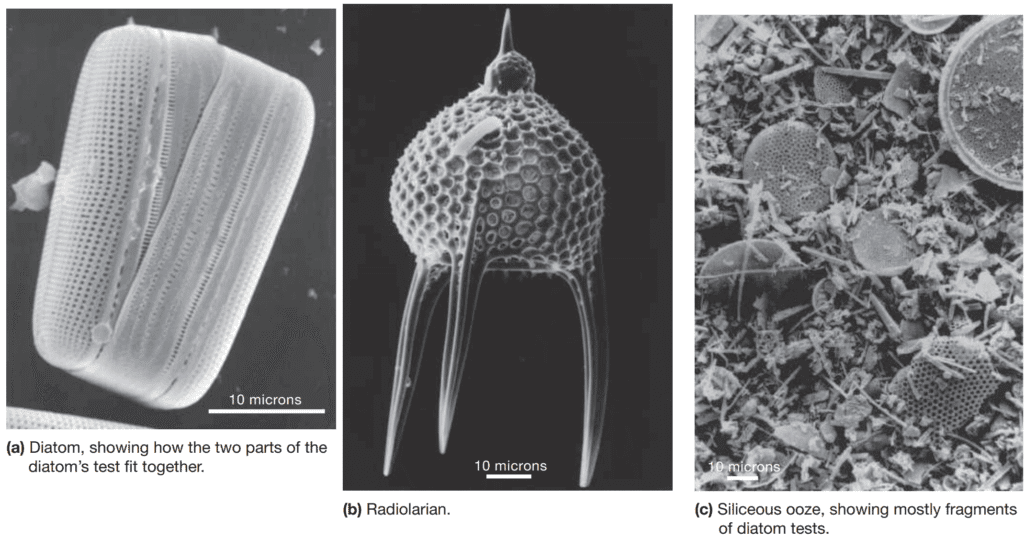
Biogenous sediment (from bio, meaning life, and generare, meaning to produce)—also known as biogenic sediment—originates from the preserved hard remains
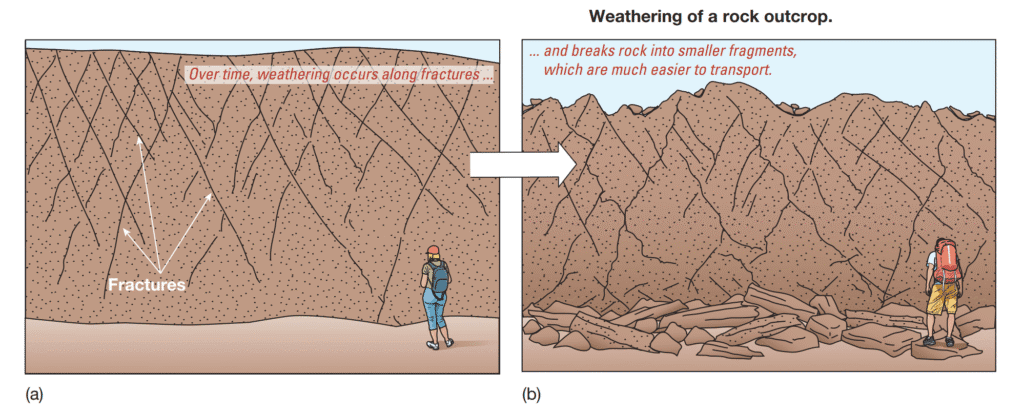
Lithogenous sediment (from lithos meaning stone and generare meaning to produce) originates from pre-existing rock formations that are found on
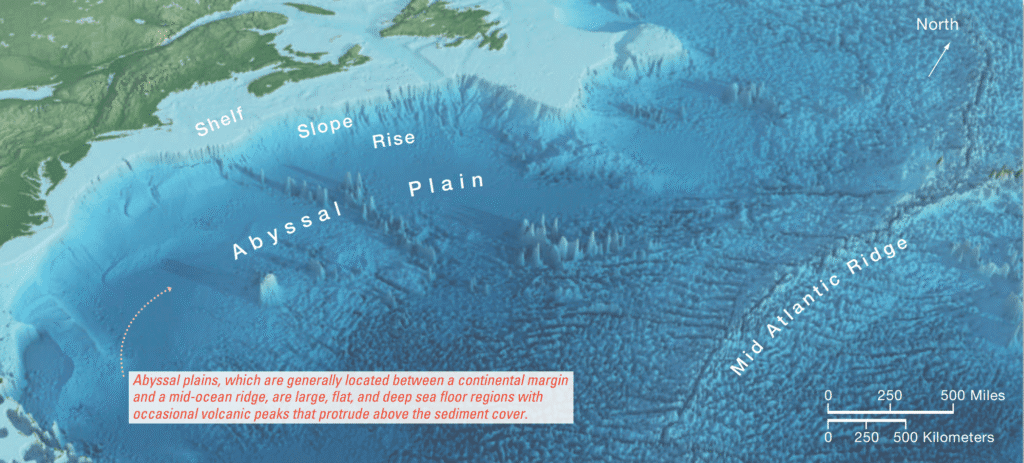
The deep-ocean region extends beyond the continental margin province—which comprises the shelf, slope, and rise—and encompasses a diverse range of