
Eco-Friendly Technologies for Better Soil Health and Conservation
Deterioration of Land Quality: The United Nations celebrated 2015 as the ‘World Soil Year’ and designated 2015-2024 as the ‘International […]

Deterioration of Land Quality: The United Nations celebrated 2015 as the ‘World Soil Year’ and designated 2015-2024 as the ‘International […]

Aravalli Craton What areas does the Aravalli Craton cover? The Aravalli Craton covers over one lakh(100000) sq. km, including the
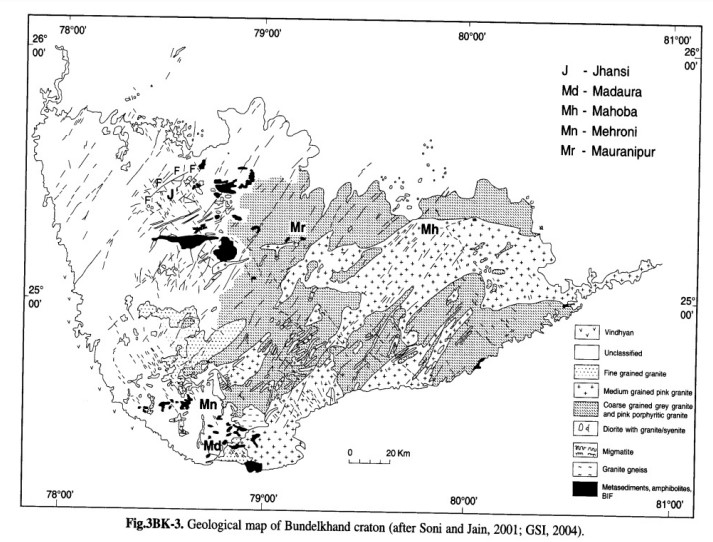
The Bundelkhand Craton is a 26,000 sq. km Archean cratonic block in central India, characterized by a triangular geometry with semi-circular sides. It is named after the 15th-century Bundelkhand kingdom. This geological formation contains tonalite-trondhjemite-granodiorite (TTG) gneisses dating from 3.55–2.5 Ga, Bundelkhand granite complexes, and distinctive supracrustal rock enclaves. The craton is bounded by the Son-Narmada lineament in the south, separated from the Aravalli craton by the Vindhyan basin in the west, and overlain by Indo-Gangetic alluvium in the north.
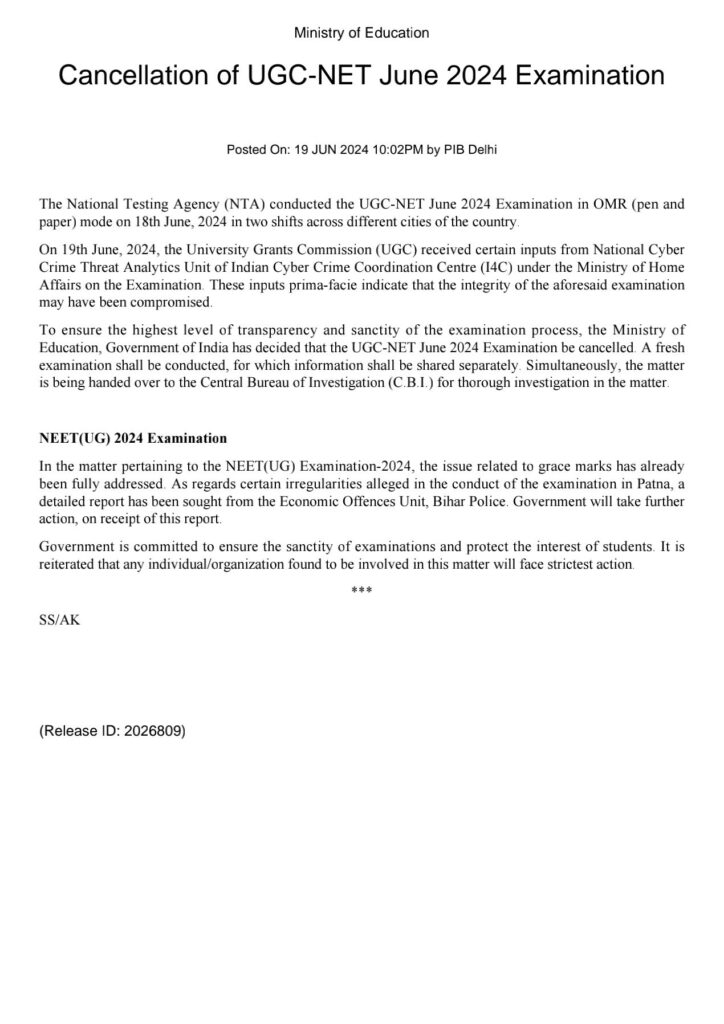
UGC-NET June 2024 Examination Cancellation Why was the UGC-NET June 2024 Examination cancelled? The UGC-NET June 2024 Examination, held on

Introduction of Singhbhum Craton? Singhbhum Craton covers a triangular area of 50,000 sq. km and consists of a core (8,000
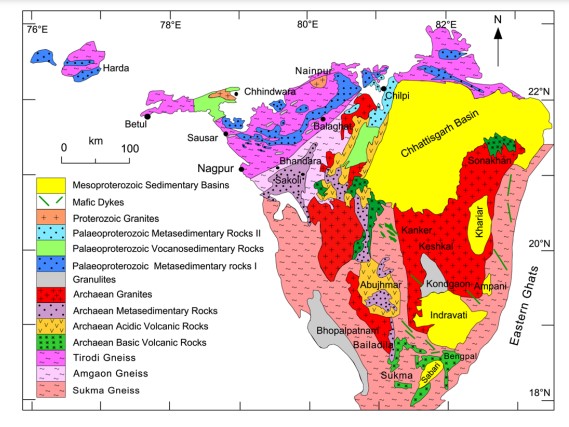
Bastar Craton covers an area of 130,000 sq. km and is bounded by the Godavari graben in the south, Mahanadi
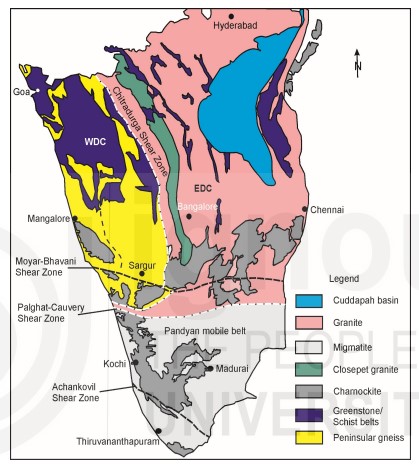
The Indian shield consists of five major Archean Cratons: Dharwar, Bastar, Singhbhum, Bundelkhand, and Aravalli. The Indian shield, comprising the
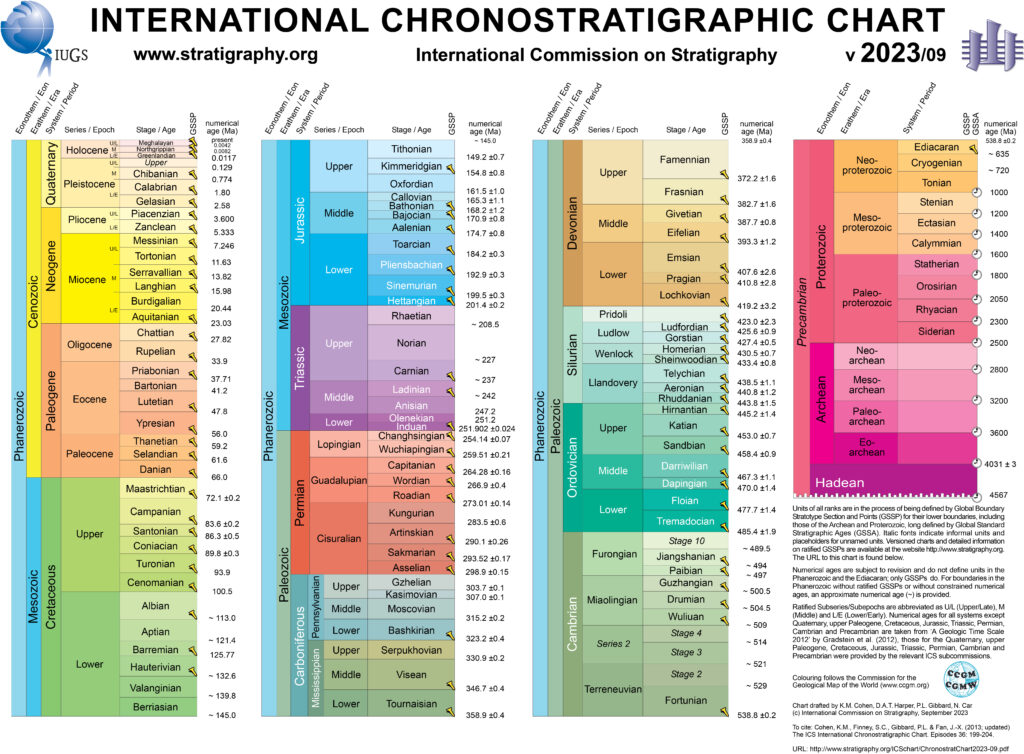
Chronostratigraphy Introduction Lithology (Lithostratigraphy): The stratigraphic units described in the preceding lectures are rock units distinguished by: Magnetic characteristics Fossil
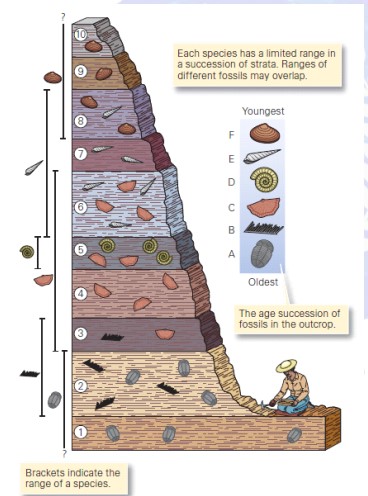
The characterization and correlation of rock units on the basis of their fossil content is called biostratigraphy. It is fundamentally
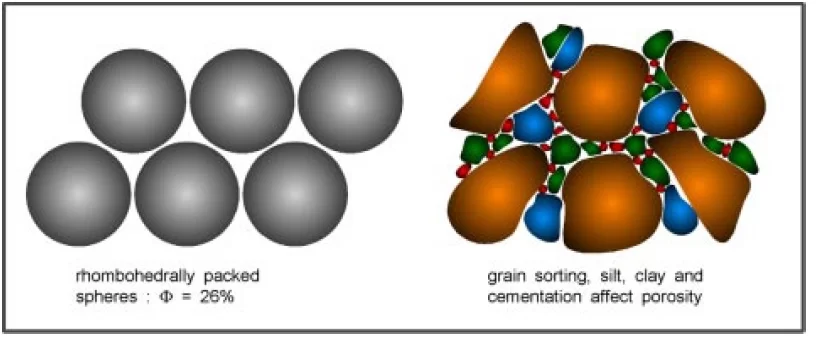
Hydrological properties of Rocks: Hydrological properties are the characteristics of rocks and soils that affect the movement, storage, and distribution