
Mauryan Art and Architecture
With the advent of Buddhism and Jainism, which were part of the shramana tradition, the religious and social scenario of the Gangetic valley began to undergo change. As both religions were opposed to the ‘varna’ and ‘jati’ system of the Vedic age, they gained the patronage of the Kshatriya rulers who had grown wary of Brahmanical supremacy.
As the Mauryas established their power, a clear demarcation can be seen between architecture and sculpture developed under State patronage and those that were developed by individual initiative. Thus, Mauryan art can be classified into two major categories: Court Art and Popular Art.
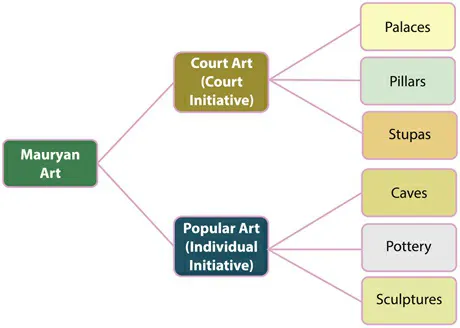
Court Art
The Mauryan rulers commissioned a large number of architectural works for political as well as religious reasons. These works are referred to as Court Art.
1. Palaces
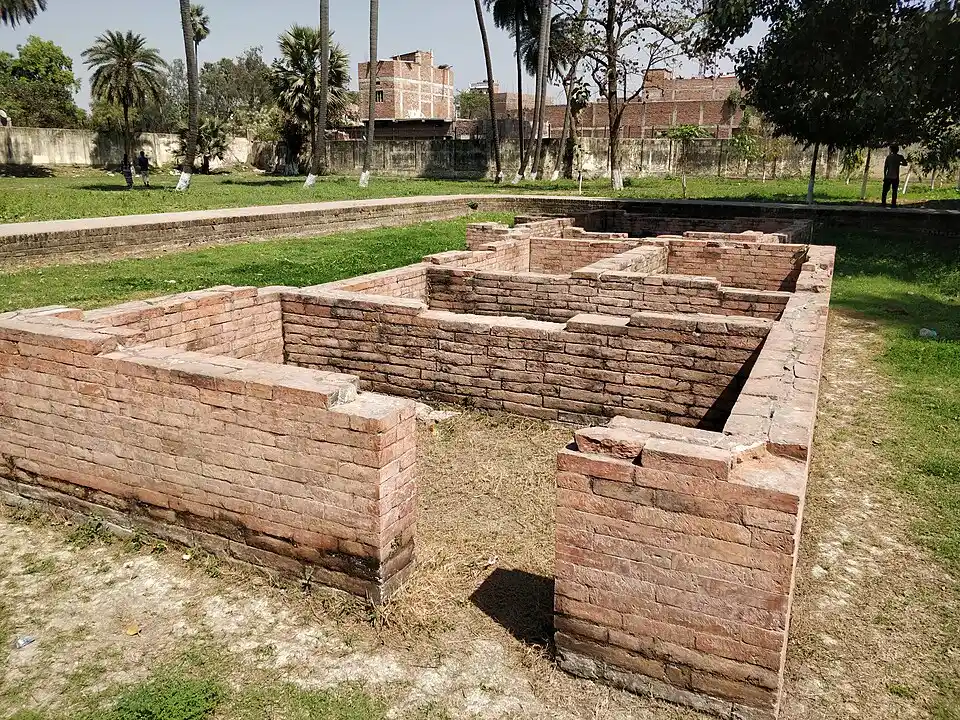
The Mauryan Empire was the first powerful empire to come to power in India. The capital at Pataliputra and the palaces at Kumrahar were created to reflect the splendour of the Mauryan Empire.
Ashoka’s Palace: Similarly, Ashoka’s Palace at Kumrahar was a massive structure. It had a high central pillar and was a three-storey wooden structure. The palace walls were decorated with carvings and sculptures.
The palace of Chandragupta Maurya was inspired by the Achaemenid palaces at Persepolis in Iran.
Material: Wood was the principal building material. Megasthenes described the palace as one of the greatest creations of mankind.
2. Pillars
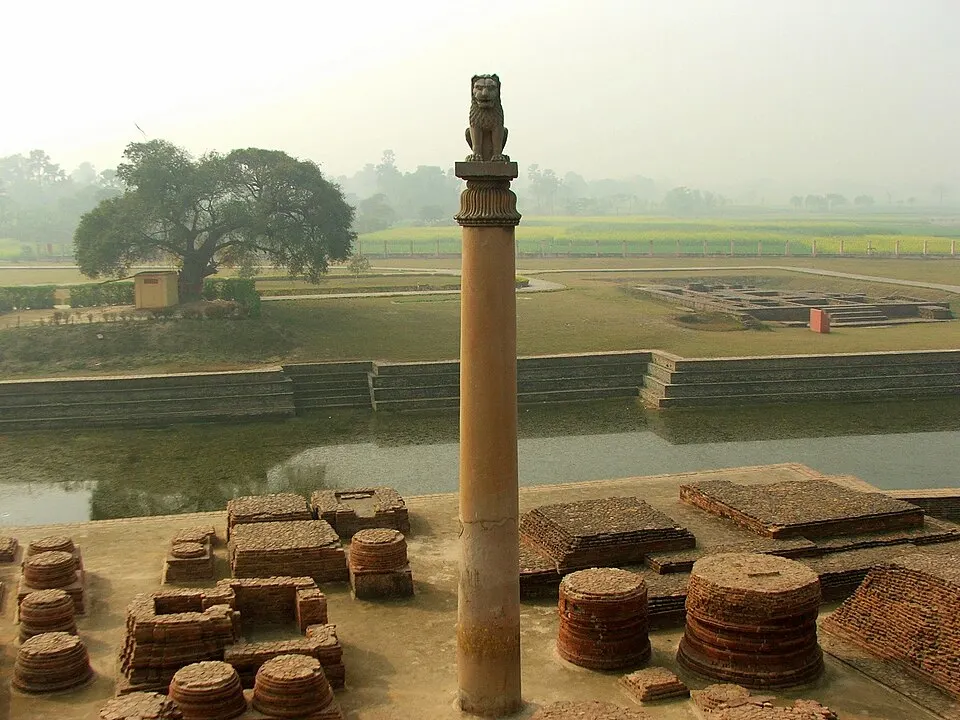
During the reign of Ashoka, the inscription on pillars – as a symbol of the State or to commemorate battle victories – assumed great significance. He also used pillars to propagate imperial sermons as well.
Anatomy of a Mauryan Pillar
On an average of 40 ft. height, the pillars were usually made of chunar sandstone and comprised of:
- Shaft: A long base made up of a single piece of stone or monolith.
- Capital: Lay on top of the shaft, either lotus-shaped or bell-shaped. The bell-shaped capitals were influenced by Iranian pillars, as was the highly polished finish.
- Abacus: A circular or rectangular base above the capital.
- Animal Figure: Placed on top of the abacus.
Examples: Lauria Nandangarh Pillar in Champaran, Sarnath Pillar near Varanasi.
The National Emblem
of the first sermon by Buddha known as Dhammachakrapravartana.
The Animals of the Abacus
Four animals are shown representing four directions. They seem to follow each other turning the wheel of existence till eternity:
- 🐘 Elephant (East): Depicts Queen Maya’s dream of a white elephant entering her womb.
- 🐂 Bull (South): Depicts Taurus, the zodiac month of Buddha’s birth.
- 🐎 Horse (West): Represents Kanthaka, used by Buddha to leave princely life.
- 🦁 Lion (North): Shows the attainment of enlightenment.
Symbolism
The Four Lions: Symbolise Buddha spreading Dhamma in all directions.
Inscriptions: The words Satyameva Jayate from Mundaka Upanishad (‘Truth Alone Triumphs’) are inscribed below the abacus in Devanagari script.
Crown: The Capital is crowned by the Wheel of the Law (Dharma Chakra).

The abacus and the animal part of the Sarnath pillar forms the official national emblem of India. It was built in the commemoration
3. Stupas
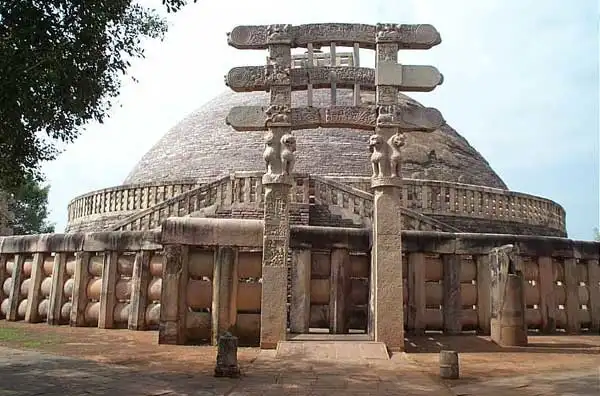
Stupas were burial mounds prevalent in India from the Vedic period. It is a conventional representation of a funeral cumulus in which relics and ashes of the dead were kept. Although a Vedic tradition, stupas were popularised by the Buddhists.
During the period of Ashoka, the art of stupas reached its climax. Almost 84,000 stupas were erected during his period.
Construction Details
The core of the stupa was made of unburnt brick while the outer surface was made by using burnt bricks, covered with a thick layer of plaster. The medhi and the toran were decorated by wooden sculptures. Devotees walk around the pradakshina patha (open ambulatory passageway) as a token of worship.
Key Locations: Rajagriha, Vaishali, Kapilavastu, Allakappa, Ramagrama, Vethapida, Pava, Kushinagar, and Pippalivana contain the nine stupas built after Buddha’s death.
Famous Examples: Sanchi Stupa (Madhya Pradesh) is the most famous; Piprahwa stupa (Uttar Pradesh) is the oldest.
Comparison: Ashokan vs. Achaemenian Pillars
| Basis | Ashokan Pillars | Achaemenian Pillars |
|---|---|---|
| Composition | The shaft of the Ashokan pillars were monolithic, i.e. they were inscribed from a single piece of stone (mainly chunar sandstones). | The shaft of Achaemenian pillars were made up of various pieces of sandstone cemented together. |
| Location | The Ashokan pillars were independently erected. | The Achaemenian pillars were generally attached to state buildings. |
Popular Art
Apart from royal patronage, cave-architecture, sculpture, and pottery took the expressions of art by individual effort. These were grouped together as popular forms of art and architecture.
1. Cave Architecture
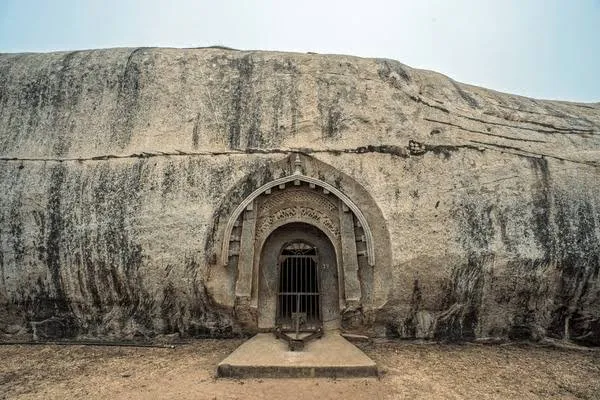
This period saw the emergence of rock-cut cave architectures. During the Mauryan period, these caves were generally used as viharas (living quarters) by Jain and Buddhist monks. While early caves were used by the Ajivika sect, later they became popular as Buddhist monasteries.
The caves during the Mauryan period were marked by a highly polished finish of the interior walls and decorative gateways.
Example: Barabar and Nagarjuni caves in Bihar were formed during the time of Ashoka and his grandson Dasharatha (3rd century BC).
Nasik Caves
Also known as “Pandav Leni”, this is a group of 24 Buddhist caves carved between 1st century BC and 3rd century AD.
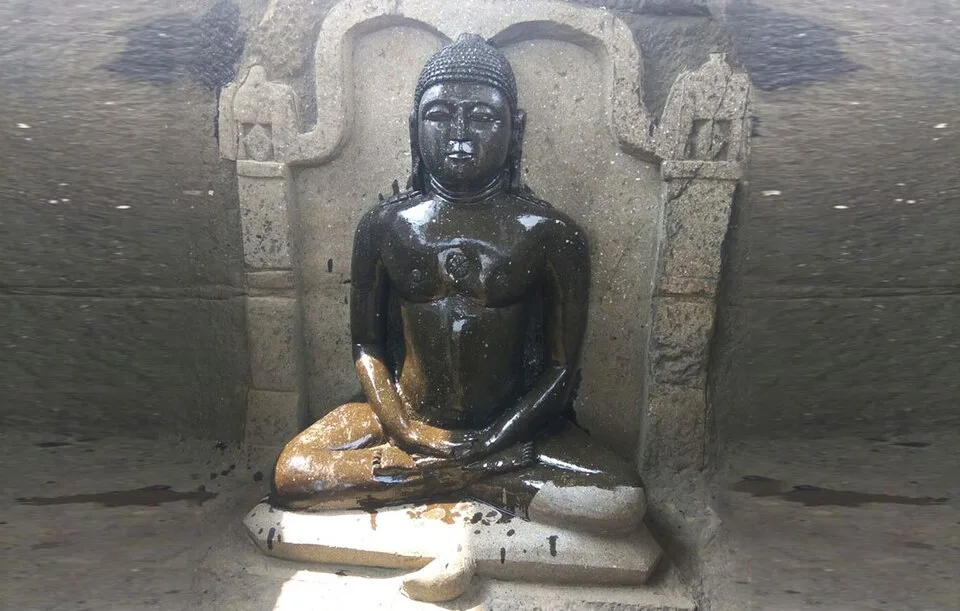
- Hinayana Period: Buddha’s presence is indicated through motifs and symbols like the throne and footprints.
- Mahayana Influence: Later, idols of Buddha were carved inside.
- Water Management: The site depicts an excellent system of water management with water tanks carved out of solid rocks.
2. Sculptures
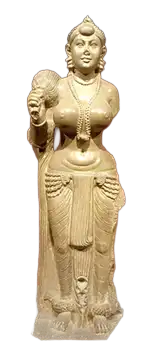
Sculptures were used primarily for the decoration of stupas, in the torana and medhi, and as a form of religious expression.
Two of the famous sculptures of the Mauryan period are those of Yaksha and Yakshi. They were objects of worship related to all three religions – Jainism, Hinduism, and Buddhism. The earliest mention of yakshi can be found in Silappadikaram, a Tamil text. Similarly, all of the Jain Tirthankars were associated with a yakshi.
3. Pottery
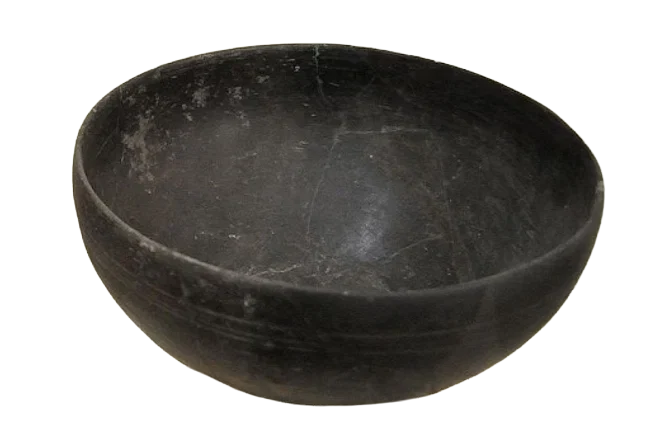
Pottery of the Mauryan period is generally referred to as Northern Black Polished Ware (NBPW).
They were characterised by black paint and a highly lustrous finish and were generally used as luxury items. Due to their quality, they have often been referred to as the highest level of pottery.