
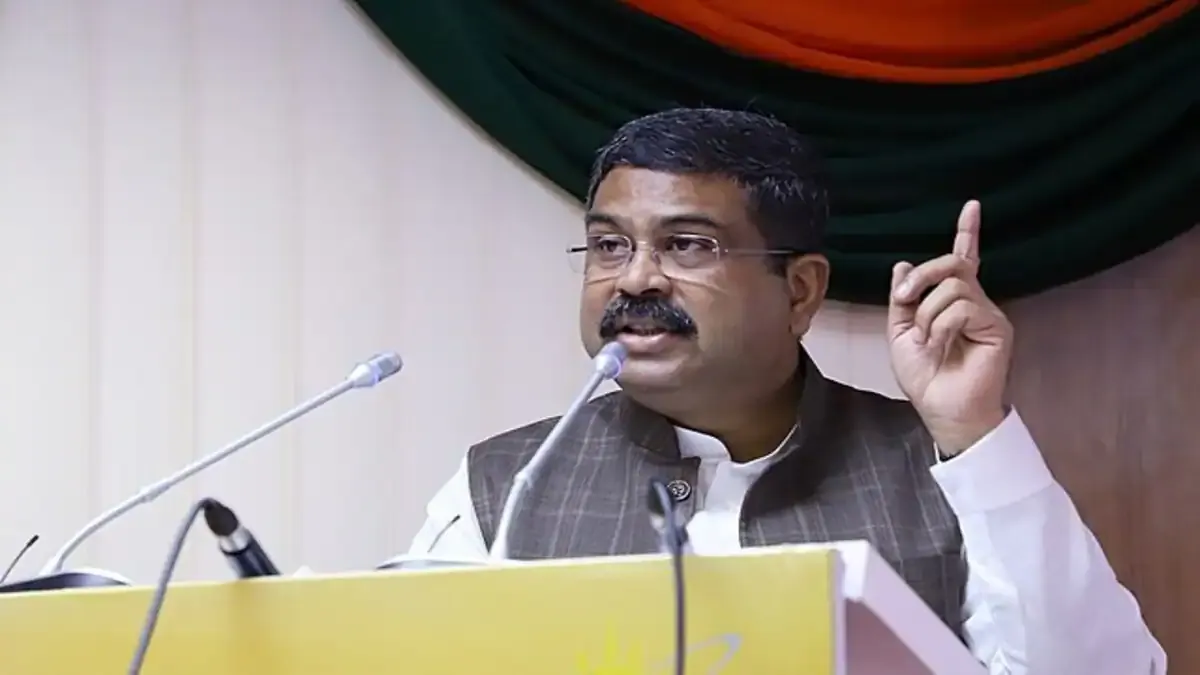
Get ready for a massive tech revolution sweeping through Indian schools! The government has just unveiled a groundbreaking plan to equip every student with high-speed internet and integrate Artificial Intelligence right from the primary level.
- Universal Connectivity: All high schools in India will have broadband internet access within the next 2-3 years.
- Early AI Learning: Foundational concepts of Artificial Intelligence will be introduced to students as early as Class 3.
- New Curriculum: A dedicated curriculum for AI and Computational Thinking is set for a nationwide rollout in the 2026-27 academic session.
Bridging the Digital Divide
In a major push towards digital literacy, the Union Education Minister announced a time-bound mission to connect every high school in the country to the internet. Currently, around 60% of high schools have broadband connectivity, but the goal is to achieve 100% coverage within three years. This initiative, a core component of the National Education Policy (NEP) 2020, aims to level the playing field, ensuring all students have access to the vast world of online educational resources, digital libraries, and interactive learning platforms, regardless of their location.
AI: The New ABCs of Education
The future is here, and it’s powered by AI. Recognizing this, the new educational framework will embed AI as a fundamental topic across all subjects. The plan is to move beyond treating technology as a separate subject and instead use it as a tool to enhance learning in every field. By introducing AI concepts from Class 3, the policy aims to cultivate a generation of innovators and problem-solvers. This early exposure is designed to build essential skills like critical thinking, design thinking, and computational logic from a young age, preparing students for the jobs of tomorrow.
How Will This Roll Out?
The implementation will be phased and comprehensive. The Department of School Education and Literacy has already developed a new curriculum on Computational Thinking and AI for students from Class 3 to 8, which will be formally implemented from the 2026-27 session. Several boards, including CBSE, have already taken steps by offering AI as a skill module in middle school and an optional subject in higher classes. To ensure a smooth transition, a significant focus is being placed on teacher training and capacity building. National digital platforms like DIKSHA and SWAYAM will be leveraged to provide both students and educators with the necessary resources and support for this tech-driven educational transformation.