
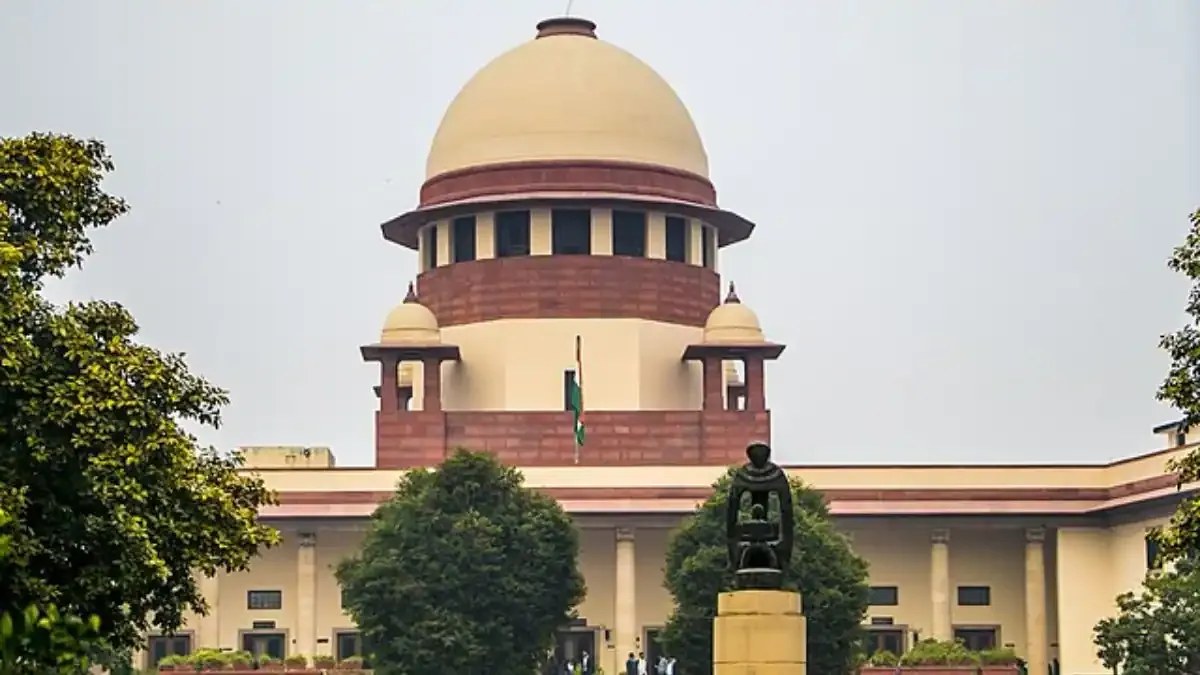
In a groundbreaking move, the Centre has established an expert committee following a Supreme Court insight to reassess a contentious chapter about judicial corruption in the Class 8 NCERT textbooks. This initiative is designed to ensure that future educational content fosters a balanced understanding of the judiciary while addressing critical perspectives.
- Expert panel includes distinguished judges and legal authorities.
- The chapter prompted a significant legal discussion on judicial criticism.
- Supreme Court stresses the importance of healthy criticism of the judiciary.
Solicitor General Tushar Mehta announced to the Supreme Court bench that the committee will include prominent figures such as former Attorney General KK Venugopal and Justice Indu Malhotra. This diverse team aims to rewrite the controversial section of the textbook, ensuring it reflects a fair and educational portrayal of the judiciary.
During the proceedings, the Supreme Court was responding to a petition filed by former NCERT member Pankaj Pushkar. The petition challenged a passage from an older class 8 textbook that characterizes certain judicial judgments, stating they often perceive slum dwellers as encroachers. However, the Supreme Court firmly supported the idea that healthy criticism is integral to the discussion surrounding judicial practices.
The Role of Healthy Criticism
Chief Justice Surya Kant underscored the importance of allowing scrutiny of judicial decisions, asserting that the judiciary should not succumb to oversensitivity. He expressed that the educational material should highlight various facets of the judiciary, acknowledging both its merits and shortcomings. This approach empowers students to engage with differing viewpoints, especially regarding how judicial decisions impact common citizens.
The creation of this expert committee demonstrates a proactive approach to reforming educational content, making it relevant and reflective of current debates on governance and law. Stakeholders eagerly await the revised chapter, hoping it will contribute to a more nuanced understanding of the judiciary among young learners.