5 things to Do When You Can’t Sleep
What to Do When You Can’t Sleep Experiencing difficulty in either initiating or maintaining sleep can result in feelings of frustration and exhaustion. However, prior to resorting to pharmacological sleep aids, it is advisable to explore several evidence-based strategies. Techniques such as progressive muscle relaxation, deep breathing exercises, guided imagery, mindfulness meditation, and other comparable…
Electronics affects on your sleep
How Electronics Affect Sleep Why Do Electronic Devices Disrupt Sleep Patterns? The biological clock governing healthy adult behavior operates on a 24-hour circadian rhythm, which regulates sleep and wakefulness. As daylight begins each morning, the body initiates the secretion of cortisol, a hormone that promotes a state of alertness and readiness. Conversely, during the evening…
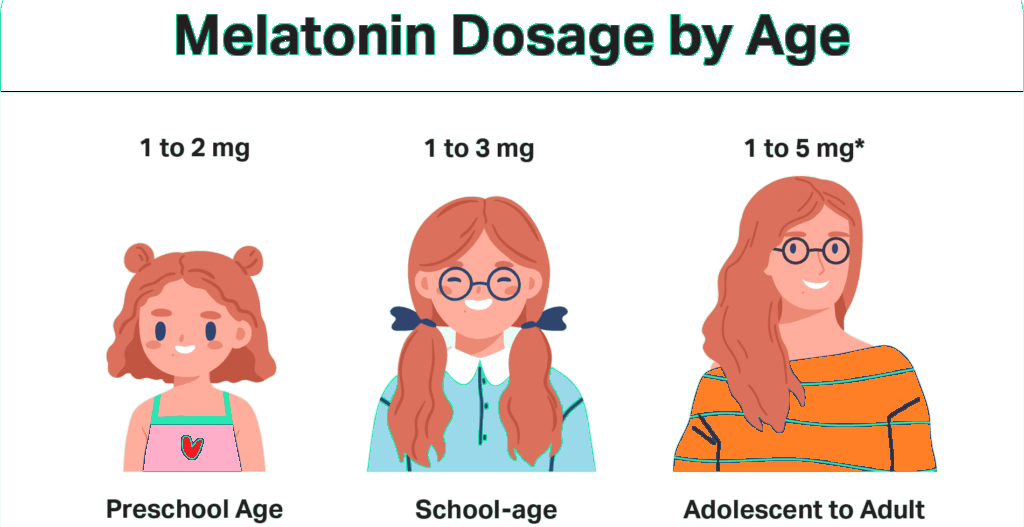
How Much Melatonin Should You Take?
How Much Melatonin to Take What is Melatonin? Melatonin is a naturally occurring hormone synthesized by the body to regulate the circadian rhythm, specifically the sleep-wake cycle. As evening approaches and ambient light diminishes, the production of melatonin increases, sending crucial biological signals that it is time to initiate rest and prepare for sleep. Consequently,…
How to loss 5kg in 7 Days: A Complete Safe and Effective Guide
The desire for rapid weight loss is common, often driven by upcoming events, personal goals, or the motivation to kick-start a longer health journey. The specific target of losing 5 kilograms (approximately 11 pounds) within a single week, often searched as “how to lose 5kg in 7 days,” represents a significant and ambitious undertaking. However,…
Prebiotic vs Probiotic: Gut Health Essentials
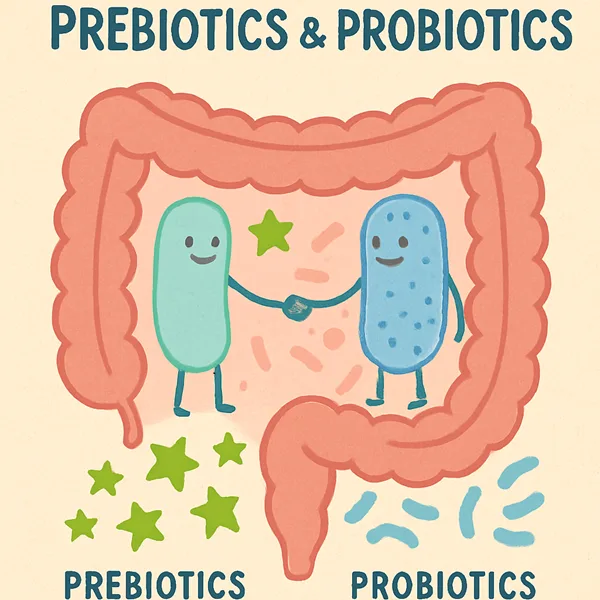
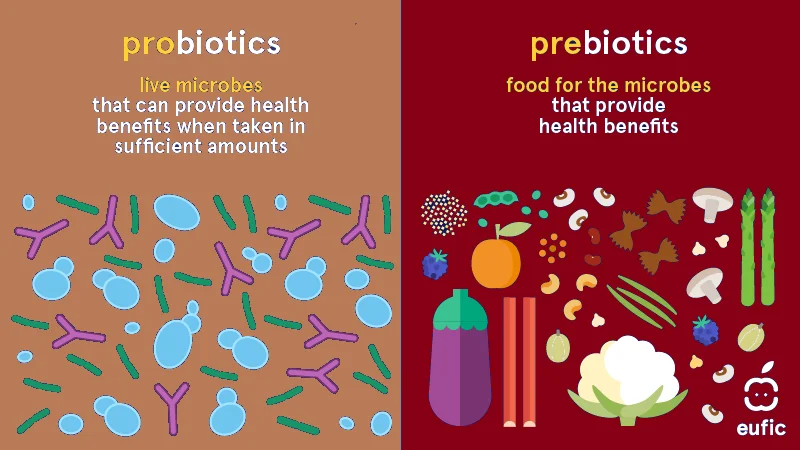
What’s the Difference Between Prebiotic and Probiotic? Quick answer: Prebiotics are indigestible fibres that *feed* your gut’s friendly bacteria, while probiotics are live microbes that *add* new bacteria. Combine both—think garlic plus yogurt—for optimum gut balance. Prebiotics and probiotics are often mentioned in discussions about gut health. But what do they really mean? Understanding the…
Prebiotics vs. Probiotics
Which is better, a prebiotic or a probiotic? Probiotics refer to beneficial microorganisms residing within the digestive system that assist in the essential process of nutrient breakdown. Dietary sources rich in probiotic strains include yogurt, fermented cabbage (sauerkraut), and brined cucumbers (pickles). These living bacteria depend on prebiotics—non-digestible dietary fibers found in foods such as…
Naturally Reduce Belly Fat Without Exercise
Can You Really Lose Belly Fat Without Exercise? The aspiration for a flatter midsection is a common one, and for many, the immediate thought turns to rigorous exercise routines. However, a significant body of understanding now confirms that achieving a reduction in abdominal fat, including shrinking the belly without traditional workouts, is indeed possible. This…
What Are Prebiotics
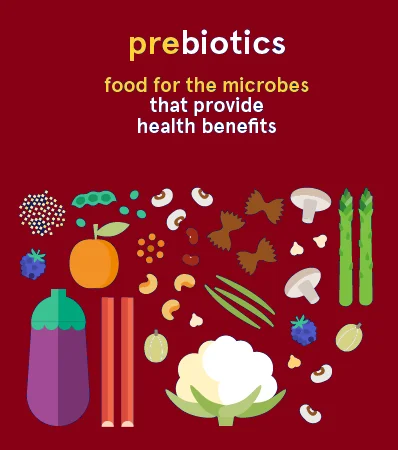
What Are Prebiotics and What Do They Do? The microorganisms residing in the human gastrointestinal system—commonly referred to as the gut microbiota—ensure that no ingested nutrient is wasted. These beneficial microbes are responsible for decomposing and processing dietary substances, thereby enhancing immune function and assisting in the management of inflammatory responses. However, what supports the…