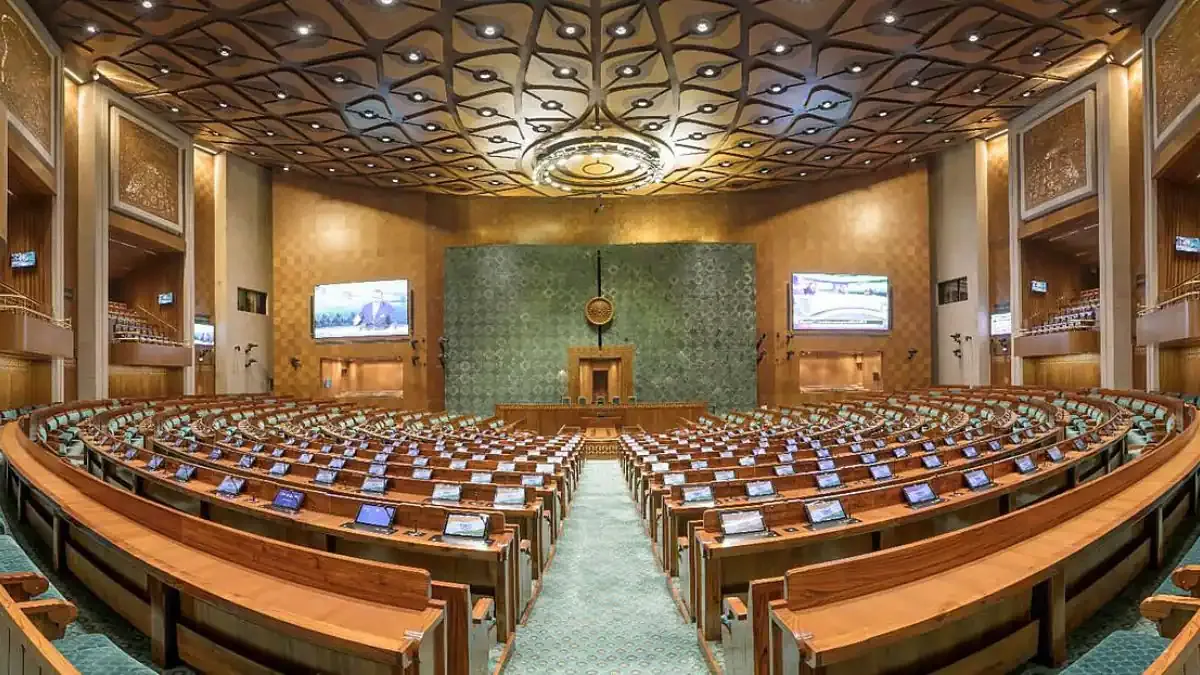
The Lok Sabha has just passed a landmark amendment that overhauls the rights and definition of transgender individuals in India. This move has ignited a fierce debate over inclusion, identity, and the future of LGBTQ+ rights.
- A new, more restrictive definition of “transgender” has been introduced.
- Self-perceived gender identities and sexual orientations are explicitly excluded.
- A medical board will now be involved in the identity certification process.
What’s Changing in the New Law?
The Transgender Persons (Protection of Rights) Amendment Bill, 2026, was passed by the Lok Sabha, aiming to provide a more “precise” legal definition of a transgender person. The government states its objective is to protect a specific class of individuals who face extreme societal discrimination due to biological and socio-cultural factors. The new definition specifically includes identities like ‘kinner’, ‘hijra’, ‘aravani’, and ‘jogta’, as well as individuals with intersex variations. A significant change is the increase in punishment for crimes against transgender individuals, with penalties now reaching up to 14 years in prison, a substantial rise from the previous maximum of two years.
The Heart of the Controversy
Despite the stated goal of protection, the bill has drawn widespread criticism from opposition parties and human rights activists. The core of the issue lies in the exclusion of “persons with different sexual orientations and self-perceived sexual identities.” Critics argue this directly contradicts the principle of self-determination of gender identity, a right previously affirmed by the Supreme Court. They contend that this narrows the scope of the law, potentially leaving many within the broader LGBTQ+ community unprotected and unrecognized.
Furthermore, the introduction of a medical board to have a say in determining a person’s transgender status is being viewed as a regressive step. Opponents claim this medicalizes a person’s identity, stripping them of their autonomy and dignity. Calls from the opposition to refer the bill to a parliamentary standing committee for more thorough consultation with the transgender community were rejected before its passage, fueling allegations that the legislation was rushed without considering the voices of those it will directly impact.